African Fingerprint Embroidery Map Review
As an embroidery designer who has spent years curating collections for small business owners and crafters, I know that the difference between a good product and a memorable one often lies in the story it tells. Today, I am putting the African Fingerprint Embroidery Map to the test. This design is not just another graphic; it is a symbol of identity, heritage, and culture, packaged as a digital file ready for transformation into tangible keepsakes. My goal is to determine if this piece holds up under the scrutiny of real-world production for personalized gifts.
First Impressions: A Symbol of Heritage and Identity
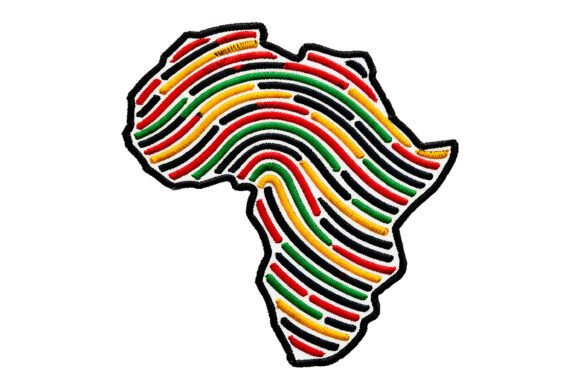
When I first opened the files for the African Fingerprint Embroidery Map, the mood was immediately striking. The design blends the organic, unique curves of a fingerprint with the recognizable silhouette of the African continent. It feels both modern and deeply rooted in tradition. For anyone creating handmade products, this visual language speaks volumes about belonging and personal history. Unlike generic patterns, this design carries an emotional weight that resonates with customers looking for something meaningful.
The charm of this piece lies in its duality. It is sweet enough for a nursery but elegant enough for a wedding keepsake. As I examined the line work, I noted that the detail level is high, which suggests it will stitch beautifully on medium-weight fabrics. However, the complexity also demands respect from the embroiderer. It is not a simple fill pattern; it is a statement piece that requires careful planning to ensure the final result captures the intended cultural significance.
Perfect Applications for Personalized Gift Shops
For Etsy sellers and small shop owners, the versatility of the African Fingerprint Embroidery Map is a significant asset. I envision this design performing exceptionally well across several product categories. Imagine a baby blanket where this map is stitched in soft pastels or rich earth tones. It becomes more than just a blanket; it becomes a declaration of heritage for a new arrival. In the realm of baby embroidery, parents are constantly seeking items that celebrate their child's roots, and this design fits that niche perfectly.
Wedding gift designers can also leverage this motif. Picture a custom embroidered towel set for a couple celebrating their union, featuring the map as a subtle yet powerful reminder of their shared journey or ancestry. Similarly, pillow covers and aprons can be transformed into premium home goods. The design works well as a central focal point on a tote bag, turning a simple accessory into a conversation starter at a craft fair. For those selling digital embroidery files, offering this as part of a "Heritage Collection" could drive significant buyer engagement.
The potential for custom embroidery here is limitless. You could pair the map with names, dates, or coordinates to create truly bespoke items. Whether it is a kitchen towel for a chef proud of their lineage or a decorative pillow for a living room, the finished product exudes a sense of quality and intentionality that mass-produced items simply cannot match.
Navigating Challenges: Fabric and Detail Considerations
While the African Fingerprint Embroidery Map is visually stunning, experienced makers know that every design comes with specific challenges. The intricate lines of the fingerprint require attention to stitch density. If the density is too low, the lines may appear broken or fuzzy. If it is too high, the fabric may pucker, especially on delicate materials. I strongly advise testing the design on scrap fabric before committing to a customer order.
Fabric texture plays a crucial role in the success of this design. On thick towels or textured blankets, the fine details of the fingerprint might get lost within the loops of the material. In such cases, using a heavier stabilizer is non-negotiable. Conversely, on stretchy baby clothes or curved surfaces like the side of a mug, the design may distort without proper hooping techniques. Dark fabrics present another hurdle; while the design looks great in theory, you must carefully select thread colors to ensure contrast. A dark thread on a black shirt will vanish, rendering the symbolism invisible.
Furthermore, products that undergo frequent washing, such as aprons or everyday tees, need durable stitching. Since this design is categorized under T-Shirt Designs and Graphics, it is essential to verify that the digitization supports the movement and friction associated with apparel. Always check small details after stitching a sample to ensure no threads are loose or fraying.
Enhancing Perceived Value and Customer Trust
In the competitive world of handmade sales, perceived value is everything. The African Fingerprint Embroidery Map elevates a standard item into a luxury keepsake. When a customer sees a high-quality embroidered map representing their identity, the emotional connection deepens. This connection translates directly into trust. Customers are willing to pay a premium for items that feel personal and authentic.
Product photography also benefits immensely from this design. The unique shape of the map stands out in photos, making your listings pop in search results. For an Etsy seller, this means higher click-through rates. The design invites storytelling in your product descriptions, allowing you to connect with buyers on a deeper level. By highlighting the themes of identity and culture, you position your shop as a curator of meaningful art rather than just a vendor of goods.
Practical Steps for Commercial Success
To maximize the potential of this design, follow these practical steps:
- Test on Scrap Fabric: Never skip the test run. Check how the design sits on your chosen material.
- Check Thread Color Contrast: Ensure the map stands out against the background fabric.
- Confirm Hoop Size: Verify that your hoop can accommodate the full width of the map without cutting off edges.
- Review Stitch Density: Adjust settings if necessary to prevent puckering or gaps.
- Use Proper Stabilizer: Especially important for towels, blankets, and stretchy fabrics.
- Compare Mockups: Use light and dark fabric mockups to visualize the final look for different customers.
- Verify Licensing: Before selling finished products, confirm that your license allows for commercial use of the machine embroidery design.
The African Fingerprint Embroidery Map is more than just a file; it is a tool for storytelling. Whether you are a seasoned embroidery maker or a newcomer to the world of digital downloads, this design offers a unique opportunity to create products that resonate with the soul. By paying attention to the technical details and embracing the emotional depth of the artwork, you can turn a simple graphic into a cherished family heirloom.