Baby Shoes Machine Embroidery Design Review
As a professional embroidery designer who has spent years translating digital files into tangible brand assets, I approach every new design with a critical eye. My goal is not just to see if a pattern looks pretty on a screen, but to determine if it holds up under the rigorous demands of commercial production. Today, I am reviewing the Baby Shoes Machine Embroidery Design. While the title suggests a niche focus, my evaluation centers on how this specific embroidery file can serve small business owners, apparel decorators, and handmade brands looking to elevate their merchandise.
First Impressions: Visual Personality and Brand Fit
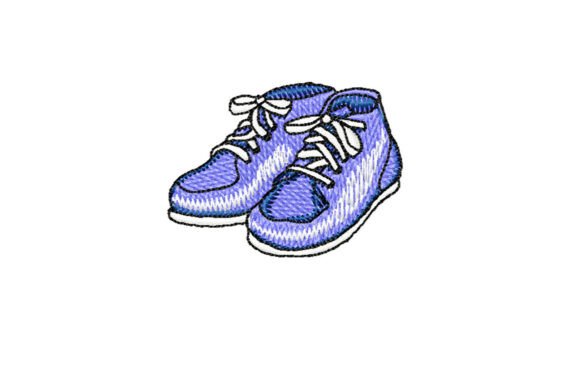
Upon opening the Baby Shoes Machine Embroidery Design, the immediate visual impression is one of warmth and nostalgia. The description promises an "enchanting" and "delightful" pattern designed for the digital age, which immediately signals a modern execution of a classic motif. For a business owner, this aesthetic translates into a friendly, accessible, and premium feel. It avoids the clutter often found in generic clip art, offering clean lines that suggest high-quality craftsmanship.
In the context of brand identity, this design exudes a sense of care and attention to detail. Whether you are running a boutique specializing in children's wear, a bakery creating custom packaging, or a local café seeking a unique accent for staff uniforms, the playful yet elegant nature of baby shoes can soften a corporate image. It strikes a balance between rustic charm and modern professionalism, making it a versatile asset for small business merch that aims to connect emotionally with customers.
Performance in Real-World Business Applications
The true test of any machine embroidery design lies in its application across various products. Here is how the Baby Shoes Machine Embroidery Design performs when moved from the hoop to the market:
- Embroidered Patches: This design is exceptionally well-suited for creating custom patches. The distinct silhouette of the shoes allows for a clear outline, even when cut out. These patches can be sewn onto denim jackets, tote bags, or backpacks, serving as a durable and recognizable mark for your brand.
- Staff Uniforms and Aprons: For a bakery or florist, placing a subtle version of this design on an apron pocket adds a touch of whimsy without overpowering the uniform. It acts as a conversation starter, enhancing customer engagement while maintaining a cohesive look for your team.
- Cap Embroidery: Caps are a staple for promotional items. The compact nature of the shoe motif makes it ideal for cap fronts or side panels. However, success here depends on proper scaling to ensure the details remain crisp.
- Tote Bag Design: As eco-friendly shopping becomes the norm, branded totes are essential. A large-scale application of the Baby Shoes Machine Embroidery Design on a canvas tote bag creates a statement piece that doubles as mobile advertising.
- Product Packaging Accents: For handmade product labels or fabric tags, a smaller iteration of this design can add a "handmade" touch that elevates the perceived value of the finished product.
Strategic Considerations for Commercial Use
While the Baby Shoes Machine Embroidery Design offers significant potential, there are specific scenarios where caution is required to maintain professional standards. As a designer, I always advise clients to consider the following constraints before mass production:
Scaling and Detail Retention
When reducing the size of this design for small patch sizes or tiny lettering integration, there is a risk of losing definition. If the shoes are too small, the intricate details may merge, resulting in a muddy appearance. Always verify the minimum recommended size in the digital embroidery file specifications. For cap embroidery, ensure the design does not exceed the curvature of the panel, as tight curves can distort the shape of the shoes.
Fabric Texture and Stabilization
The success of this design heavily relies on the underlying material. On textured fabrics like heavy twill or knit uniforms, the stitch density must be carefully managed. If the stitch density is too high, the design may pucker the fabric; if too low, the background fabric might show through, compromising the visual impact. Using the correct stabilizer is non-negotiable, especially for items that require frequent washing, such as work shirts or aprons. Without proper support, the threads may loosen over time, damaging the brand identity.
Color Contrast and Visibility
When applying this design to dark uniforms or deep-colored merchandise, thread color contrast becomes critical. A light-colored shoe design on a black background requires precise outlining to prevent the design from disappearing. I recommend testing different thread colors against your specific fabric swatches before committing to a full run.
Impact on Brand Identity and Customer Trust
Using a high-quality commercial embroidery asset like the Baby Shoes Machine Embroidery Design directly influences how customers perceive your business. Consistency in your design assets builds trust. When a customer sees a professionally embroidered logo or motif on a tote bag, they associate that quality with your entire brand. It signals that you value durability and aesthetics, which increases the perceived value of your custom apparel and merchandise.
Furthermore, this design can serve as a powerful tool for buyer engagement. In the crowded marketplace of Etsy sellers and online boutiques, unique branding sets you apart. A charming, well-executed embroidery design on a product tag or packaging accent can turn a simple purchase into a memorable experience. It reinforces the "handmade" narrative, suggesting that every item is crafted with intention.
Practical Designer Notes for Production
Before integrating the Baby Shoes Machine Embroidery Design into your business workflow, follow these practical steps to ensure a flawless outcome:
- Test in Black and White: Before investing in expensive thread, run a test in black and white to check the structure and flow of the stitches.
- Verify Hoop Size: Confirm that the design fits within your machine's hoop size without needing to re-hoop, which can cause alignment issues.
- Inspect Spacing: Check the spacing between the two shoes (if applicable) to ensure they do not merge during stitching, especially on stretchy fabrics.
- Create a Printable Mockup: Generate a printable mockup to show clients or stakeholders how the final product will look. This aids in client approval and reduces costly revisions.
- Compare Design Assets: Place this design beside other elements of your brand kit to ensure visual consistency in style and weight.
- Confirm Licensing: Always confirm the commercial licensing terms. Ensure you have the right to use this embroidery file for unlimited business use, including resale on platforms like Etsy or Amazon.
- Check Stitch Count: Although exact counts vary by software, review the stitch count to estimate production time and cost accurately.
In conclusion, the Baby Shoes Machine Embroidery Design is a robust asset for businesses aiming to infuse their merchandise with character and quality. By understanding its strengths and limitations, and by adhering to best practices in stabilization and scaling, you can transform this delightful pattern into a cornerstone of your brand identity. Whether used on apron embroidery, tote bag design, or as a distinctive embroidered patch, this design has the potential to elevate your finished product and resonate deeply with your audience.