Coquette LOVE Faux Embroidery PNG Review
As a professional embroidery designer who has spent years translating digital concepts into tangible thread, I approach every new digital embroidery file with a critical eye. The market is flooded with generic assets, but finding a design that truly elevates small business merch requires a specific set of qualities. Today, I am reviewing the Coquette LOVE Faux Embroidery PNG. This asset falls under the Illustrations and Graphics categories, promising a high-resolution visual that mimics the look of traditional stitching. My goal here is to determine if this design holds up for commercial applications like branded patches, staff uniforms, and boutique merchandise, or if it remains merely a decorative afterthought.
First Impressions: Visual Personality and Brand Fit
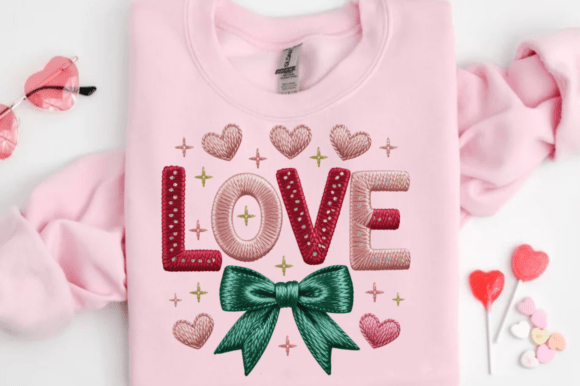
When I first opened the Coquette LOVE Faux Embroidery PNG, the immediate impression was one of playful elegance. The "Coquette" aesthetic has surged in popularity, blending vintage romance with modern softness. For a brand identity that relies on charm, femininity, or a handmade feel, this design offers a distinct advantage. Unlike rigid corporate logos, this graphic feels organic and inviting. The resolution provided—300 dpi at 4500 X 4500 PX—is substantial. In my experience, high pixel density translates to cleaner edges when scaling down for small items or scaling up for tote bags without losing definition.
The transparent background is a non-negotiable feature for professional use. It allows me to layer this design over various fabric textures or integrate it seamlessly into complex mockups. However, as a designer, I must note that while the visual appeal is strong, the "faux" nature means we are dealing with a raster image intended for cutting or printing, not necessarily a native stitch file. This distinction is crucial for how we deploy it in production.
Real-World Business Applications
The true test of any design asset is its versatility across different product lines. Here is how I see the Coquette LOVE Faux Embroidery PNG performing in real-world scenarios for small business owners and crafters:
- Embroidered Patches: While the file is a PNG, the intricate details make it an excellent template for creating custom embroidered patches. A local bakery or florist could use this design to create iron-on patches for aprons. The heart motif adds a personal touch that customers love, increasing the perceived value of the finished product.
- Staff Uniforms and Apron Embroidery: For a boutique or café, branding your team is essential. Placing a smaller version of this design on the chest pocket of a uniform shirt or the bib of an apron creates instant recognition. It signals to the customer that the brand cares about aesthetics and detail.
- Cap Embroidery: Front-of-cap designs require bold, legible graphics. The central focus of the Coquette LOVE Faux Embroidery PNG makes it suitable for caps, provided the scale is managed correctly. It works well as a subtle accent rather than an overwhelming statement.
- Tote Bag Design: Tote bags are prime real estate for branding. The large canvas allows the full resolution of the 4500 x 4500 px file to shine. Whether printed directly onto the bag or used as a guide for a larger machine embroidery design, it stands out against canvas textures.
- Etsy Branding and Product Labels: For handmade brands selling on Etsy, consistent visuals are key. Using this graphic on packaging tags, thank-you cards, or as a watermark on product photos helps build a cohesive brand identity. It tells the story of a brand that values love and craftsmanship.
Strategic Considerations for Commercial Use
While the potential is high, there are areas where caution is required. As a designer, I always advise clients to consider the limitations of their chosen format before mass production.
Size and Detail Constraints
The intricate details in the Coquette LOVE Faux Embroidery PNG can become muddy if scaled too small. If you are planning to use this for tiny labels or very small cap accents, you must test the legibility first. High stitch density in actual embroidery often causes puckering on thin fabrics; similarly, printing this design at a very small size might lose the delicate "faux" texture that gives it character.
Fabric Texture and Color Contrast
This design features soft curves and likely delicate line work. When applied to textured fabrics like heavy denim, corduroy, or fleece, the fine details may get lost in the weave. Always test the design on the actual material you intend to use. Additionally, thread colors (or print colors) must contrast sharply with the background. On dark uniforms, a white or light-colored version of the Coquette LOVE Faux Embroidery PNG will pop, whereas on light pastels, you may need a darker outline to ensure visibility.
Washing and Durability
If you are using this design for items that undergo frequent washing, such as aprons or daily wear shirts, durability is paramount. If you are converting this PNG into a physical patch or print, ensure the method used (heat transfer, vinyl, or embroidery digitization) is rated for industrial washing. A beautiful design that fades after three washes damages customer trust and brand reputation.
Practical Designer Notes for Implementation
To ensure the Coquette LOVE Faux Embroidery PNG delivers professional results, follow these practical steps before committing to a full run:
- Test in Black and White: Before adding color, strip the design down to black and white. Does the shape hold up? Is the text or iconography clear without the aid of color gradients? This ensures the core structure is sound.
- Verify Hoop Size and Scale: Even though this is a digital file, if you plan to digitize it for machine embroidery, check the dimensions against your hoop size. Ensure the design fits comfortably without needing to be stretched or compressed.
- Select the Right Stabilizer: If converting to actual thread, the stabilizer is just as important as the design. For detailed faux-embroidery looks, a cut-away stabilizer often provides better support than tear-away, preventing distortion on stretchy fabrics.
- Create a Printable Mockup: Never skip the mockup stage. Place the design on a photo of your actual product (tote bag, cap, shirt) to visualize the final look. Share this with your client or team for approval before production begins.
- Check Commercial Licensing: The description mentions "Usage This is perfect for y," which implies broad utility, but always confirm the specific terms. Ensure you have the right to use this commercial embroidery asset for unlimited products or if there are restrictions on the number of units sold.
- Compare with Other Assets: Don't view this design in isolation. Compare it beside other design assets in your portfolio. Does it complement your existing logo and color palette? Consistency builds a stronger brand identity.
Impact on Brand Identity and Customer Trust
Ultimately, the decision to use the Coquette LOVE Faux Embroidery PNG goes beyond aesthetics; it is a statement about your brand's attention to detail. In the crowded marketplace of handmade goods and custom apparel, professionalism wins. A well-executed design on a staff uniform or a premium tote bag suggests quality. It tells the customer that you invest in your presentation, which often translates to trust in your products.
For small business owners, this graphic offers a bridge between the digital and physical worlds. It captures the warmth of the "Coquette" trend while providing the scalability needed for growth. Whether you are a single-person Etsy shop or a growing local studio, utilizing high-quality Graphics like this one can elevate your merchandise from simple commodities to desirable brand artifacts.
In conclusion, the Coquette LOVE Faux Embroidery PNG is a robust tool for creators who understand its strengths and limitations. By respecting the technical requirements of machine embroidery design principles—even when working with a PNG—and applying it thoughtfully to your custom apparel and merch, you can create a memorable visual identity that resonates with your audience. Always remember: the best design is the one that survives the transition from screen to reality with its integrity intact.