Floral Ornamental Embroidery Design Review
As a professional embroidery designer who has spent years translating digital files into tangible brand assets, I approach every new machine embroidery design with a critical eye. It is not enough for a pattern to look beautiful on a screen; it must translate seamlessly onto fabric, withstand the rigors of daily wear, and elevate the perceived value of the product it adorns. Today, I am reviewing the Floral Ornamental Embroidery Design, a file described as featuring beautiful floral ornamental motifs that combine flowers and decorative elements in an elegant style. My goal is to determine if this specific embroidery file is ready for production on small business merchandise, branded patches, and commercial apparel.
First Impressions: Elegance Meets Versatility
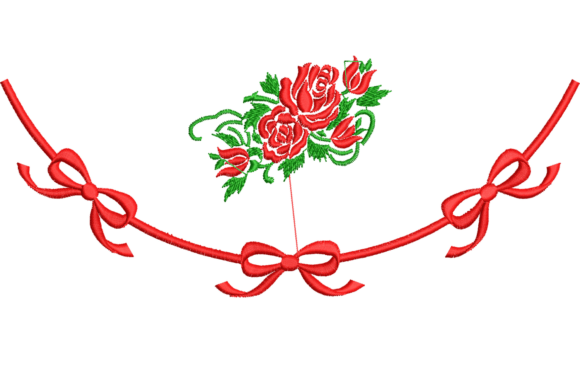
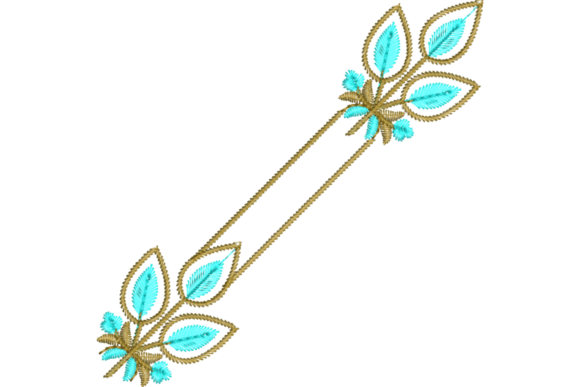
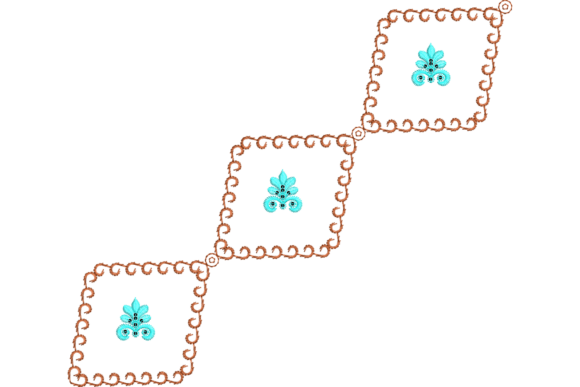
Upon opening the preview of the Floral Ornamental Embroidery Design, the immediate impression is one of refined sophistication. The description promises an "elegant style," and the visual composition delivers exactly that. Unlike trendy, bold graphics that may date quickly, this design leans into classic ornamentation. It feels timeless, making it an excellent candidate for businesses aiming to project stability, quality, and a touch of artisanal charm. For a boutique florist, a high-end bakery, or a handmade soap brand, this aesthetic aligns perfectly with a brand identity rooted in craftsmanship and natural beauty.
The integration of flowers with decorative elements suggests a design that is more than just a single motif; it is a structural element. This makes it highly adaptable for borders, frames, corners, and accents on clothing. In the world of small business merch, versatility is currency. A design that can function as a standalone logo accent, a border for a staff uniform, or a frame for a custom patch offers significantly better ROI than a static image limited to one application.
Real-World Business Applications
When evaluating a digital embroidery file for commercial use, I always ask: where will this actually live? The Floral Ornamental Embroidery Design shows immense potential across several key categories for custom apparel and branding.
- Branded Patches: This design is ideally suited for creating premium embroidered patches. The ornamental nature allows for a dense, textured look that pops when backed with twill or felt. These patches can be sold as standalone collectibles for Etsy sellers or sewn onto denim jackets and canvas tote bags to create unique handmade product offerings.
- Staff Uniforms and Aprons: For a café or boutique, apron embroidery using this motif adds a layer of professionalism without being overly corporate. Placing a corner version of the design on the chest pocket or hemline creates a subtle, cohesive look for the team. It signals to customers that attention to detail is a core value of the business.
- Cap Embroidery: While caps present unique challenges due to their curved surface, the flowing lines of this floral motif work well on the front panel or side of a cap. It softens the structured look of a baseball cap, making it perfect for event merch or customer appreciation gifts.
- Tote Bag Design: As a tote bag design, this pattern excels. Totes are essentially billboards for your brand. Using this design as a large-scale print or embroidery on a canvas tote elevates the item from a simple carrier to a fashion accessory, encouraging customers to carry your brand identity through their daily lives.
Strategic Considerations for Production
While the Floral Ornamental Embroidery Design is visually striking, experienced decorators know that beauty on paper does not guarantee success on fabric. There are specific areas where caution is required to ensure the finished product meets professional standards.
Size and Density Constraints
Ornamental designs often rely on intricate details. If you attempt to shrink this design too much for a tiny chest logo or a small buttonhole patch, the stitch density may become problematic. High stitch density in a small area can cause puckering, especially on lighter fabrics like linen or cotton blends. Always check the minimum recommended size before committing to a run. If the design is too detailed for a small patch, consider simplifying the outline or increasing the hoop size to maintain clarity.
Fabric Texture and Color Contrast
The elegance of this design depends heavily on the interaction between the thread and the fabric. On highly textured materials like heavy wool or rough canvas, fine floral details might get lost. Conversely, on smooth, dark uniforms, the contrast of the thread colors becomes critical. A white or light pastel floral motif on a black apron looks stunning, but it requires a high-quality stabilizer to prevent shadowing. Always test the design on the actual fabric texture intended for production to ensure the details remain crisp.
Curved Surfaces and Hooping
When applying this design to items like caps or sleeves, the curvature of the surface can distort the flow of the floral elements. You must confirm the appropriate hoop size and use specialized attachments. A design that looks balanced on a flat sheet may appear stretched or compressed on a rounded cap front. Proper hooping techniques and the right stabilizer are non-negotiable here to maintain the integrity of the ornamental shapes.
Impact on Brand Identity and Trust
In the competitive landscape of local commerce, every visual asset contributes to brand identity. The Floral Ornamental Embroidery Design serves as a powerful tool for building customer trust and recognition. A consistent, high-quality embroidery finish signals that a business cares about its presentation. When a customer receives a tote bag or wears a shirt with a professionally executed, elegant floral motif, they associate that quality with the products inside the bag or the service provided by the wearer.
This design moves beyond mere decoration; it acts as a silent ambassador. It enhances the perceived value of commercial embroidery projects, allowing small business owners to charge a premium for their goods. Whether used as a printable mockup to showcase upcoming collections or stitched directly onto design assets for a launch event, the visual consistency provided by such a refined pattern strengthens buyer engagement.
Practical Designer Notes for Implementation
Before integrating the Floral Ornamental Embroidery Design into your workflow, follow these practical steps to ensure a flawless execution:
- Test in Black and White: Before selecting vibrant thread colors, run a test in a single color. This reveals any issues with stitch pathing, underlay, or density that might be hidden by colorful threads.
- Verify Commercial Licensing: Ensure you have the rights to use this digital embroidery file for commercial purposes. Never assume a free download includes a license for selling finished goods.
- Create a Mockup: Use a printable mockup to visualize how the design sits on different garments. Show this to clients or stakeholders for approval before stitching a single thread.
- Check Spacing and Margins: Since this design works well as a border or frame, verify that there is adequate spacing between the motif and the edge of the fabric or garment seam.
- Stabilize Correctly: Floral designs often require strong support. Use a cutaway stabilizer for stretchy knits and a tear-away for woven fabrics to prevent distortion during washing.
- Compare with Existing Assets: Place the design beside your current logos and other design assets to ensure the style remains consistent with your overall brand aesthetic.
The Floral Ornamental Embroidery Design is a robust option for businesses seeking to infuse elegance into their merchandise. By respecting the technical limitations of embroidery machines and fabrics, and by leveraging the design's inherent versatility, small business owners can create a line of custom apparel and accessories that truly stands out. It is not just a pattern; it is a strategic asset for building a memorable and professional brand presence.