Octopus Embroidery: A Craft Fair Designer Review
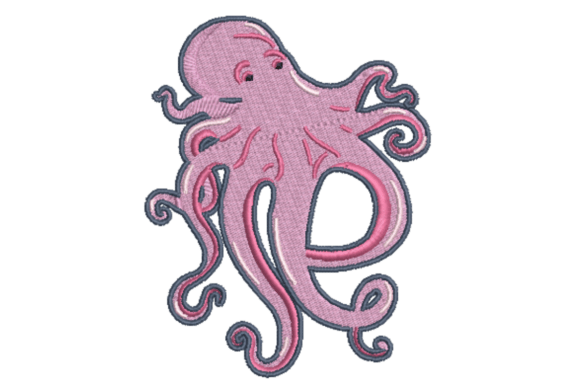
As I set up my table for the upcoming weekend craft fair, the pressure to curate a collection that stops shoppers in their tracks is always high. This season, I am focusing on coastal and whimsical themes, which led me to review the Octopus Embroidery design file. Before I commit to stitching hundreds of units or listing them as digital assets, I need to evaluate if this specific machine embroidery design translates well from screen to fabric. The description promises an intricate cephalopod rendered in a beautiful soft pink with complex texturing. Let's dive into whether this design holds up under the scrutiny of a professional maker preparing for a busy market day.
First Impressions: Elegance Meets Whimsy
When I first opened the Octopus Embroidery file on my digitizing software, the aesthetic was immediately clear. It does not feel like a cartoonish novelty item; instead, it leans heavily into elegance and sophistication. The soft pink thread colors mentioned in the product description suggest a feminine, approachable vibe that fits perfectly within the current "coastal grandma" or modern farmhouse trends. Unlike bold, neon beach graphics that can sometimes clash with neutral home decor, this design feels premium and delicate.
The complexity of the texturing is the standout feature. In a sea of flat, single-color patches, an intricate design with varied stitch density creates depth that catches the light. For a handmade product seller, visual depth is crucial because it signals quality to the customer. When a shopper walks past my booth, they should be able to see the texture from three feet away. This Octopus design achieves that, making it a strong contender for a focal point on larger items rather than just a small accent.
Product Versatility: Where Does It Shine?
One of the biggest questions for any Etsy seller or boutique owner is versatility. Can one design work across multiple product lines? The Octopus Embroidery offers excellent flexibility, provided you match it with the right substrate.
- Tote Bag Design: This is likely the best application. A sturdy canvas tote bag allows the soft pink threads to stand out against natural beige or white backgrounds. The size of the octopus tentacles works well here, creating a statement piece that looks great when carried through a farmer's market.
- Tea Towel Embroidery: Kitchen linens are a staple for craft fairs. However, the textured weave of a tea towel can sometimes interfere with fine details. This design is complex enough to look decorative but simple enough that it won't get lost in the fabric texture if hooped correctly.
- Apron Embroidery: Placing this on the bib of a linen apron adds a touch of personality without being overwhelming. It appeals to the home cook who loves coastal aesthetics.
- Embroidered Patch: For those selling smaller items, turning this into a patch is viable. However, care must be taken to ensure the intricate details do not become muddy when backed with stiff interfacing.
- Pillow Covers: On a 16x16 inch pillow cover, this design serves as a beautiful centerpiece. The soft pink tones complement grey, navy, or sage green fabrics often found in home decor collections.
For small shop products like caps or tiny pouches, the Octopus Embroidery might be too large or detailed unless scaled down significantly. Scaling down risks losing the "complex textur" that makes the design special, so I would advise against using it on very small surfaces where clarity is paramount.
Production Realities and Practical Considerations
While the design looks stunning on a screen, the reality of production involves managing stitch density, stabilizer choice, and hoop size. As a commercial embroidery business owner, I know that a beautiful file can still fail if the physical execution isn't perfect.
The description highlights "intricate" details. In practice, this means the stitch count is likely higher than average. High stitch counts increase production time, which directly impacts your profit margin per unit. If you are planning to sell finished products at a craft fair, you must calculate how many hours it takes to embroider one tote bag versus the selling price. Additionally, dense areas may require a heavy-duty cut-away stabilizer to prevent puckering, especially on lighter fabrics like cotton tees or thin linen.
Fabric texture plays a massive role here. On a thick, looped towel, the needle must penetrate deeply, which can distort the delicate curves of the octopus tentacles. I recommend testing the design on scrap fabric that matches your final product material before running a full batch. Check the thread contrast; soft pink on white might look washed out in bright sunlight, whereas on a charcoal or navy background, it will pop beautifully. Always create at least one real mockup to photograph for your printable mockup listings and social media.
Common Pitfalls to Avoid
There are specific scenarios where this design might struggle. Dark fabrics can make soft pink thread disappear unless you use a backing layer of underlay stitches or a toner film. Curved surfaces, such as the front of a baseball cap, can cause the long, flowing tentacles to shift or pucker if the cap frame isn't adjusted properly. Furthermore, if you plan to sell this as a digital embroidery file, ensure your customers understand that they may need to adjust settings based on their own machines and fabrics. Do not assume the default settings will work for everyone.
Marketing and Visual Appeal
From a marketing perspective, the Octopus Embroidery has strong potential for buyer engagement. The subject matter is universally liked, and the color palette is trendy. For an Etsy seller, high-quality photos are essential. Because the design features complex texturing, close-up macro shots that highlight the thread sheen and stitch definition will drive sales. Show the design on different textures—canvas, linen, denim—to demonstrate its versatility.
This design also aids in brand consistency. If your shop focuses on coastal, nautical, or soft-toned handmade goods, this asset ties your collection together. It elevates a standard tote bag into a curated gift. When displaying at a craft fair, arrange these items to catch the eye; perhaps stack embroidered pillows or hang aprons with the octopus prominently displayed. The unique nature of the design encourages customers to stop and ask about the process, opening a conversation that often leads to a sale.
Final Verdict for Makers
The Octopus Embroidery is a sophisticated addition to any maker's library, particularly for those targeting the home decor and lifestyle market. It balances whimsy with elegance, making it suitable for both gifts and personal use. However, success depends on careful production planning. Test your stabilizers, verify your hoop size, and confirm your commercial licensing terms before mass-producing.
If you are a creative entrepreneur looking to expand your line with a design that feels premium yet playful, this is a strong candidate. Just remember that the magic lies not just in the file itself, but in how you execute it on the final product. With the right fabric choices and attention to detail, this octopus could easily become your best-selling item of the season.