Double Heart Bow Embroidery Design Review
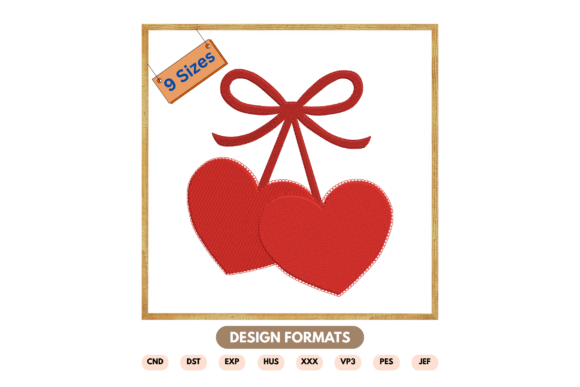
As a designer who has spent years curating machine embroidery design assets for both personal projects and client work, I approach every new file with a critical eye. The market is flooded with generic patterns, so finding a piece that truly translates well from the screen to the fabric is a specific skill. Today, I am evaluating the Double Heart Bow Embroidery Design. At first glance, it promises a classic aesthetic: two overlapping hearts tied together with a delicate ribbon bow. It symbolizes romance, unity, and affection, making it an obvious candidate for Valentine S Day collections. However, the real test lies in how this digital asset performs when stitched onto actual materials.
First Impressions and Visual Personality
When I loaded the preview of the Double Heart Bow Embroidery Design, the immediate mood was one of refined elegance rather than cartoonish cuteness. The overlapping hearts create a sense of depth, while the ribbon bow adds a necessary flourish that prevents the shape from feeling too static. For a craft business or an Etsy seller looking to elevate their brand, visual personality is everything. This design feels like it belongs on high-end boutique merchandise rather than mass-produced novelties.
The layout suggests a balanced composition where the negative space between the hearts and the loops of the bow allows the fill stitch to breathe. In my experience, designs that are too dense often cause puckering on lighter fabrics. Here, the separation of elements implies that the stitch density might be manageable, which is a crucial factor for maintaining the integrity of the finished product.
A Real-World Application Scenario
To truly understand the potential of this file, I imagined a specific project: creating a line of custom embroidered tote bags for a local artisan shop. Tote bags are a staple for small shop products because they offer a large, flat canvas, but they also require durability. I visualized placing the Double Heart Bow Embroidery Design in the center of a heavy cotton canvas bag using a soft blush pink thread against a cream background.
In this scenario, the satin stitch used for the ribbon outline would catch the light beautifully, adding a tactile dimension that customers love to feel. The fill stitch within the hearts would provide a solid, opaque coverage that looks professional even from a distance. If I were selling these as a personalized gift, the ability to swap the heart color for a monogrammed initial or a specific hue would make this design incredibly versatile. The reaction from customers would likely focus on the "handmade" quality; the intricate details of the bow suggest care and precision, which directly influences buyer engagement and perceived value.
Performance Across Different Projects
Beyond tote bags, the versatility of this embroidery file extends to various applications. For custom apparel, such as sweatshirts or t-shirts, the design works well on the chest or sleeve. However, the texture of the fabric becomes a key variable. On a smooth jersey knit, the design will lay flat and crisp. On a textured fleece, the thread colors need to be chosen carefully to ensure the definition of the bow remains visible.
I also see strong potential for this design in baby embroidery items, like receiving blankets or bibs, provided the thread is soft and non-irritating. The theme of love and unity fits perfectly for nursery decor. Additionally, for those running a craft business, turning this into an embroidered patch is a smart move. Patches allow you to sell the design as a standalone accessory or apply it to denim jackets and hats later, maximizing the utility of a single digital embroidery file.
For holiday gifts, specifically around Valentine S Day, this design is a natural fit. Think of kitchen towels, aprons, or pillow covers. The romantic symbolism makes it a go-to for couples' gifts. However, if you are planning to use this for commercial embroidery beyond the holiday season, consider how the motif holds up year-round. While hearts are timeless, the specific "bow" element leans heavily toward celebration, so context matters.
Navigating Potential Pitfalls
While the Double Heart Bow Embroidery Design looks promising, there are areas where caution is required. First, consider the hoop size. If the design is intended for small hoops, the delicate loops of the bow might get lost or become indistinct. Always verify the dimensions before committing to a tiny area like a cap front or a baby sock.
Second, be mindful of stretchy fabric. When embroidering on knits, the tension can distort the symmetry of the overlapping hearts. Using a proper stabilizer is non-negotiable here. Without adequate support, the satin edges of the ribbon could warp, ruining the elegant look. Similarly, on dark fabrics, the contrast must be high enough to define the bow's structure; otherwise, the design may appear muddy.
Detailed corners and tiny lettering, if added alongside the design, can be problematic. The intersection where the ribbon ties is a complex area. If the running stitch count is too low, gaps may appear. If it is too high, the fabric might pucker. Testing on scrap fabric is essential to find the sweet spot.
Practical Designer Notes for Success
If you decide to integrate the Double Heart Bow Embroidery Design into your workflow, follow these practical steps to ensure a professional outcome:
- Test on Scrap Fabric: Never skip this step. Stitch a sample on the exact material you plan to use for your final project to check for puckering and alignment.
- Check Thread Contrast: Ensure the thread colors pop against the fabric. A subtle mismatch can make the bow look unfinished.
- Review Stitch Density: Examine the digitization closely. If the fill stitch is too tight, reduce the density slightly to prevent fabric distortion.
- Confirm Hoop Size: Measure your machine hoop against the design dimensions to ensure it fits without cropping important details.
- Inspect Small Details: Zoom in on the ribbon knot. Ensure the digitizer has placed enough stitches to define the curves clearly.
- Use Proper Stabilizer: Whether it is tear-away, cut-away, or wash-away, choose the stabilizer that matches your fabric weight and stretch level.
- Verify Licensing: Before selling finished items or digital products, confirm the license terms. Some design assets are for personal use only, while others allow commercial sales.
Finally, consider creating a printable mockup to visualize how the design sits on different products before you invest in materials. Compare how it looks on light versus dark backgrounds to determine the best color combinations for your inventory.
Final Verdict on Value and Appeal
The Double Heart Bow Embroidery Design offers a strong balance of charm and professionalism. It enhances the visual appeal of any handmade product by adding a touch of sophistication that simple shapes lack. For an Etsy seller or creative entrepreneur, this type of design builds customer trust because it signals attention to detail. It elevates the presentation of your brand, making your goods stand out in a crowded marketplace.
However, its success depends entirely on execution. The design itself provides the blueprint, but your choice of fabric, thread, and stabilizer determines the final result. If handled correctly, this embroidery project can become a signature item in your shop, driving recognition and repeat business. Just remember to respect the technical requirements of the machine and the material. With careful planning, the Double Heart Bow Embroidery Design is more than just a pattern; it is a tool for creating meaningful, high-quality goods that celebrate connection and style.