Love Letter Gnome Embroidery Design Review
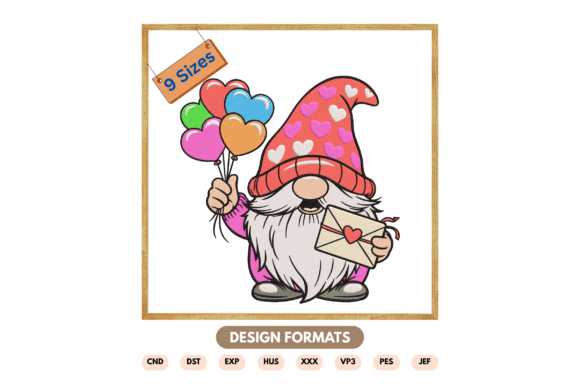
As I set up my table for the upcoming weekend craft fair, I am sorting through a stack of potential designs to turn into sellable handmade products. The air is already filled with the scent of fresh coffee and the hum of anticipation from fellow makers. In this competitive environment, every craft fair product needs to stop a shopper in their tracks. Today, I am reviewing the Love Letter Gnome Embroidery Design. With Valentine's Day approaching, the demand for romantic yet whimsical items is peaking. This specific design features a sweet gnome holding heart balloons and a love letter sealed with a heart. It promises to be a cutest way to celebrate love, but does it translate well from a digital file to a physical item that customers will actually buy?
First Impressions: Whimsy Meets Commercial Appeal
When I first load the machine embroidery design onto my screen, the immediate feeling is one of soft nostalgia mixed with modern charm. The aesthetic leans heavily into the farmhouse and rustic categories that have dominated the handmade market for years. The image of a gnome holding a love letter is inherently cute, avoiding the cliché of generic hearts or Cupid arrows. For an Etsy seller or a boutique maker, this distinction is vital. It feels less like a mass-produced novelty and more like a thoughtful, artisanal piece.
The color palette suggested by the description implies soft pastels or warm reds and pinks, which are essential for Valentine S Day merchandise. However, the true test lies in how the details render on fabric. Does the gnome look distinct, or does he blur into a blob of thread? The inclusion of heart balloons adds verticality to the composition, which can be a significant advantage when designing for tall surfaces like aprons or tote bags. This visual height helps the design stand out even when viewed from a distance across a crowded booth.
Product Suitability: Where Does It Shine?
Turning a digital embroidery file into a profitable inventory requires knowing exactly where the design performs best. Based on the elements of the Love Letter Gnome Embroidery Design, here is how I plan to utilize it across different product categories:
- Tote Bag Design: This is likely the strongest contender. The vertical nature of the gnome and balloons fits perfectly on the front panel of a canvas tote. A large hoop size allows for all the details to breathe, making it a statement piece for shoppers carrying their market finds.
- Apron Embroidery: Placing this design on the bib of a linen apron creates a charming kitchen accessory. The "love letter" theme resonates well with home cooks who view cooking as an act of love. The sturdy fabric of an apron supports higher stitch density without puckering.
- Tea Towel Embroidery: Kitchen towels are high-volume sellers. The design works well here if placed centrally. However, the texture of terry cloth can sometimes obscure fine lines, so I must ensure the thread colors contrast sharply against the towel weave.
- Embroidered Patch: Creating patches from this design opens up a new revenue stream. Customers can sew these onto denim jackets, backpacks, or hats. The bold outlines of the gnome should hold up well when backed with felt or twill.
- Pillow Covers: A small square pillow cover featuring this design makes for an excellent gift. It transforms a simple home decor item into a personalized, sentimental keepsake.
Production Realities: Density, Details, and Fabric
While the concept is adorable, the practical execution is where many small shop product lines fail. As a professional designer, I know that tiny details often get lost in the stitching process. The love letter sealed with a heart contains small elements. If I attempt to embroider this at a very small scale, such as on a cap or a coin purse, the seal might become indistinguishable from the rest of the letter.
I need to be mindful of stitch density in the gnome's beard and hat. These areas tend to accumulate thread quickly. If the density is too high, the fabric underneath may pucker, ruining the flat finish required for a premium finished product. Additionally, the curved surface of a baseball cap presents a challenge. The heart balloons might distort if the design is not properly digitized for a curved field. For dark fabrics, which are popular for a moody Valentine's look, I will need to use a heavy-duty stabilizer to prevent show-through and ensure the bright thread colors pop.
Another critical factor is the hoop size. Before committing to a full production run, I must confirm that the design fits within the standard hoops available to most hobbyists and professionals. If the design requires a 10x10 inch hoop but I only have a 5x7 inch machine, I cannot produce it efficiently. Always check the file specifications before purchasing bulk fabric.
Selling Strategy: From Booth to Online Store
In a physical craft fair setting, visual appeal drives impulse buys. The Love Letter Gnome Embroidery Design has the potential to be a booth magnet. When displayed on a white or cream-colored background, the colorful thread catches the eye immediately. I plan to create a tiered display using finished products like caps, pouches, and pillows to show the versatility of the design. Seeing the same character on different items encourages customers to buy multiple pieces, increasing the average order value.
For online sales, particularly on Etsy, photography is everything. A printable mockup is useful for initial listings, but nothing sells better than a photo of the actual embroidered item. The texture of the thread adds depth that digital images cannot fully capture. I will focus my photos on close-ups of the heart seal and the gnome's expression to highlight the quality of the work. This attention to detail signals to the buyer that this is a high-quality handmade product, justifying a higher price point compared to printed alternatives.
Brand consistency is also key. If my shop focuses on rustic or whimsical themes, this design aligns perfectly. It reinforces the brand identity and builds trust with returning customers who know what style to expect. For those looking to expand their catalog with commercial embroidery options, this design offers a repeatable asset that can be produced in batches during the off-season to ensure stock is ready for the holiday rush.
Designer Notes: Testing and Licensing
Before turning this design into inventory, there are non-negotiable steps I must take. First, always test the embroidery file on scrap fabric that matches your final product material. Stitching on cotton muslin looks different than stitching on thick denim or textured linen. Check the tension, the pull, and the clarity of the smallest details.
Second, review the thread colors against your chosen fabric. What looks vibrant on a screen may appear muddy on a beige tote bag. Adjustments to the digitization or color selection might be necessary to achieve the desired impact. Third, confirm the licensing terms. Ensure you have the right to sell finished products made with this design. Some files are for personal use only, while others grant commercial rights. Never risk your business on unclear terms.
Finally, create at least one real mockup for each product type you intend to sell. This serves as both a quality control measure and a marketing tool. By comparing fabric colors and testing the design on various textures, you ensure that the Love Letter Gnome Embroidery Design delivers the cutest, most professional result possible. With careful planning and execution, this design can become a staple of your Valentine's collection, bringing joy to customers and profit to your creative business.