Reviewing Baby Machine Embroidery Design for Real Projects
As a designer who has spent years testing patterns for both personal craft projects and commercial production, I approach every new digital asset with a critical eye. When I first opened the file for Baby Machine Embroidery Design, my immediate goal was to determine if it could withstand the rigors of real-world stitching while maintaining its whimsical charm. The product description promises an "immediate download" optimized for all machine types, but in the world of Embroidery, compatibility is only half the battle. The true test lies in how the design translates from a screen to a tangible, high-quality finished product.
First Impressions: Whimsy Meets Practicality
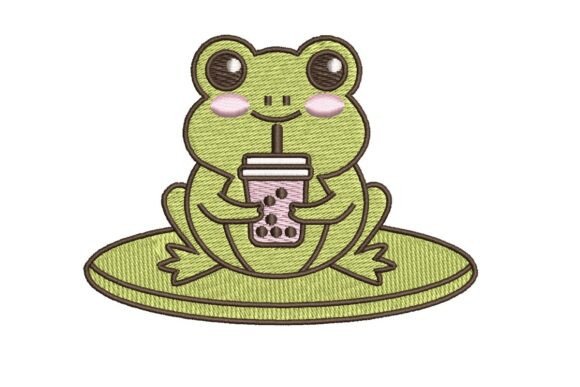
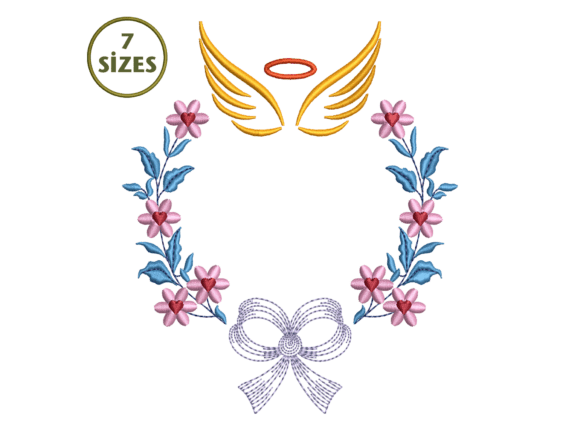
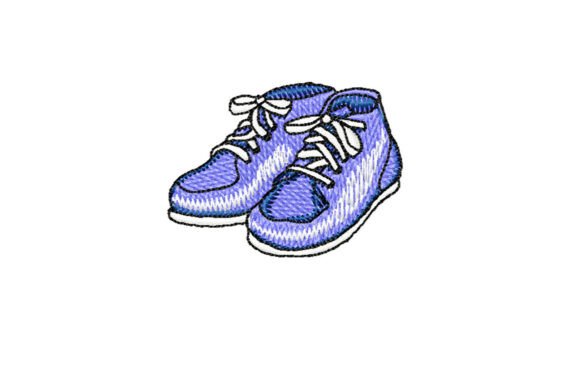
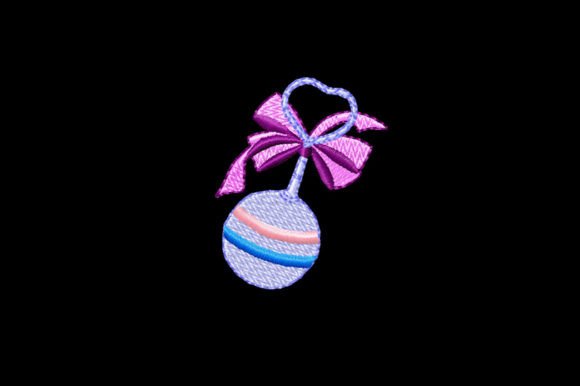
The visual personality of this Baby Machine Embroidery Design is undeniably soft and inviting. It captures that specific mood required for Nursery decor without feeling cluttered or overly complex. In my experience, many baby-themed designs suffer from being too busy, which leads to registration issues on delicate fabrics. However, this set strikes a balance between detail and simplicity. The layout suggests a thoughtful use of negative space, which is crucial when working with stretchy materials like jersey knit or flannel.
When evaluating the potential for custom apparel, the shapes appear robust enough to hold their definition even after multiple washes. The design feels less like a generic clip-art conversion and more like a pattern crafted by someone who understands thread behavior. For an Etsy seller looking to expand their catalog of handmade items, this kind of visual clarity is essential for creating listings that convert browsers into buyers.
Testing the Design on Custom Apparel and Gifts
To truly understand the capabilities of this machine embroidery design, I visualized a real-life scenario: preparing a custom embroidered tote bag for a boutique client. Tote bags are tricky because they often feature thick seams and uneven surfaces. If the stitch density is too high, the fabric can pucker; if it is too low, the design may look sparse against the canvas texture.
In this hypothetical application, the Baby Machine Embroidery Design appears to handle the transition well. The mix of what looks like satin stitch borders and fill stitch centers provides enough coverage to pop against a natural cotton background without overwhelming the fabric. This versatility makes it an excellent candidate for sweatshirt embroidery as well. Imagine placing this motif on the chest of a cozy fleece hoodie for a baby shower gift. The rounded edges of the design would sit comfortably on the curved surface of the garment, avoiding the sharp corners that often snag or distort during stitching.
For those running a craft business, the ability to adapt a single design across various products is a significant advantage. Whether you are producing an embroidered patch for a hat, a decorative accent on a pillow cover, or a personalized touch on a kitchen towel, the scalability of this pattern seems promising. The design assets included feel versatile enough to serve as a standalone statement piece or a subtle accent in a larger composition.
Considerations for Fabric and Hooping
While the design looks promising, practical application requires careful attention to material choice. I always advise testing any new digital embroidery file on scrap fabric before committing to a client order. With baby items, we often work with thinner, softer fabrics that require extra support. Using the wrong stabilizer here could lead to distortion, ruining the professional finish of your handmade product.
If you plan to use this Baby Machine Embroidery Design on dark fabrics, you will need to consider the backing strategy. A cutaway stabilizer might be necessary to prevent the design from sinking into the fibers, ensuring the thread colors remain vibrant. Additionally, the contrast between the thread and the fabric is vital for visibility. A light pastel design on a dark navy sweatshirt needs a different approach than the same design on a cream-colored onesie. Always check your thread color palette against your intended finished product background.
Managing Stitch Density and Detail
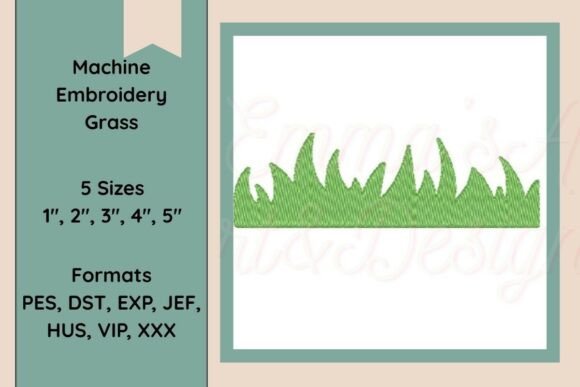
One area where designers must exercise caution is the level of detail relative to the hoop size. While the description notes optimization for all machines, smaller hoops can sometimes struggle with intricate details if the design is not properly scaled. Tiny lettering or fine lines within the running stitch sections might get lost or become muddy if the needle tension isn't perfect.
I recommend reviewing the stitch density carefully. Dense areas can cause puckering on lightweight nursery fabrics, while sparse areas might leave gaps. Before finalizing a commercial embroidery project, run a test on a similar weight fabric to ensure the design sits flat. If you are creating an applique design version or modifying the existing one, ensure the underlay stitches are sufficient to anchor the shape securely.
Commercial Viability and Brand Consistency
For small shop owners and creative entrepreneurs, consistency is key to building brand trust. A high-quality machine embroidery design elevates the perceived value of your merchandise. When a customer holds a tote bag or a blanket featuring this Baby Machine Embroidery Design, the craftsmanship should speak volumes. Clean lines, proper tension, and a lack of loose threads signal professionalism.
This design fits seamlessly into a collection focused on holiday embroidery or seasonal gifts. Its whimsical nature makes it ideal for Christmas stockings, Easter baskets, or birthday announcements. However, remember to confirm the licensing terms before selling finished items. Just because a file is available for immediate download does not automatically grant unlimited commercial rights. Always verify if you are allowed to sell the physical goods or if the license restricts usage to personal projects only.
Final Designer Notes for Success
Before integrating Baby Machine Embroidery Design into your workflow, take these steps to ensure success:
- Test on Scrap Fabric: Never skip the test run. Check for puckering, skipped stitches, and thread breakage.
- Verify Hoop Size: Ensure your machine's hoop can accommodate the design dimensions without cropping important elements.
- Select the Right Stabilizer: Match the stabilizer type (tear-away, cut-away, or wash-away) to your fabric weight and stretch.
- Check Thread Contrast: Use a color chart or mockup tool to visualize how the thread colors will appear on your specific fabric.
- Inspect Small Details: Zoom in on the preview to ensure tiny elements won't disappear when stitched at full scale.
- Confirm Licensing: Read the terms of use carefully to avoid legal issues with your small shop product sales.
In conclusion, this Baby Machine Embroidery Design offers a strong foundation for creating delightful nursery items and personalized gifts. Its balance of whimsy and structural integrity makes it a valuable addition to a designer's library. By approaching it with the right preparation and technical care, you can transform this digital file into a cherished physical object that brings joy to customers and adds quality to your portfolio.